
Blog

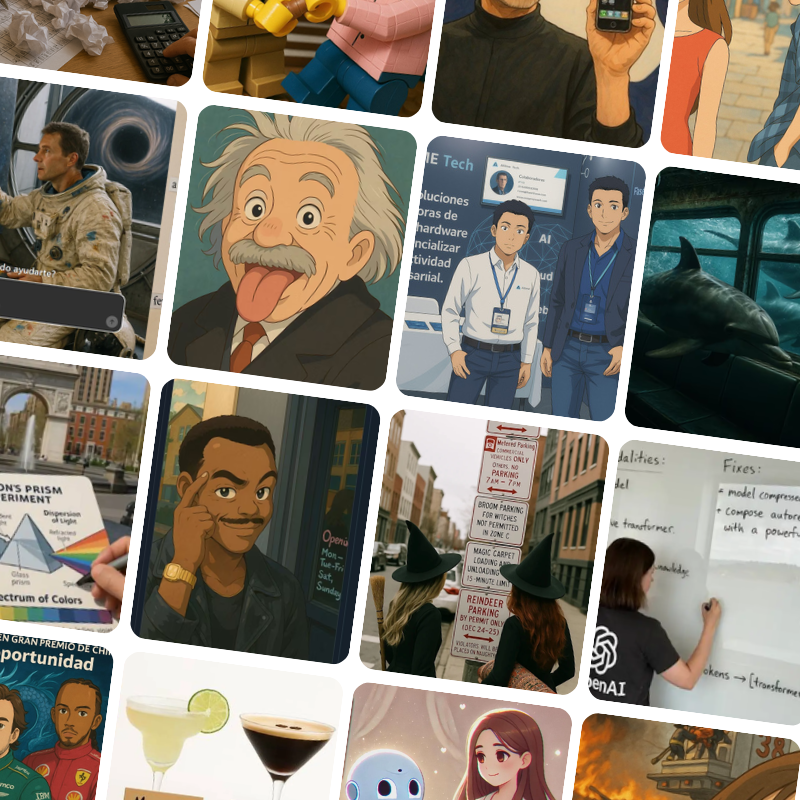
OpenAI has incorporated a new functionality in ChatGPT that allows users to generate realistic images from textual descriptions. This feature, powered by the GPT-4o model, transforms interaction with artificial intelligence, offering creative possibilities in various fields. The most interesting part is that this improvement is available to all users directly on the ChatGPT page: https://chatgpt.com/.
What Does the New Functionality Consist Of?
The update allows users to describe a scene or concept, and ChatGPT generates a corresponding image. For example, when requesting "an impressionist-style landscape", the system produces an image that reflects that description. This capability expands the applications of ChatGPT beyond text, covering areas such as graphic design, education, and entertainment.
Potential Impact and Applications
The integration of image generation in ChatGPT offers multiple benefits:
Ethical Challenges and Considerations
Despite the advantages, ethical and legal concerns arise:
Copyright: Generating images in specific styles, such as Studio Ghibli's, has sparked debates about the appropriation of protected artistic styles. OpenAI has implemented restrictions to mitigate these risks, limiting generation in certain styles and protecting artists' rights.
Appropriate Content: Inconsistencies have been identified in the generation of images related to sensitive content. For example, it was reported that the system allowed generating images of "sexy men" but not "sexy women," leading OpenAI to acknowledge and correct the error.
The incorporation of image generation in ChatGPT represents a significant advancement in human-AI interaction, opening new creative and functional opportunities. However, it is essential to address the associated ethical and legal challenges to ensure a responsible and respectful use of this technology.